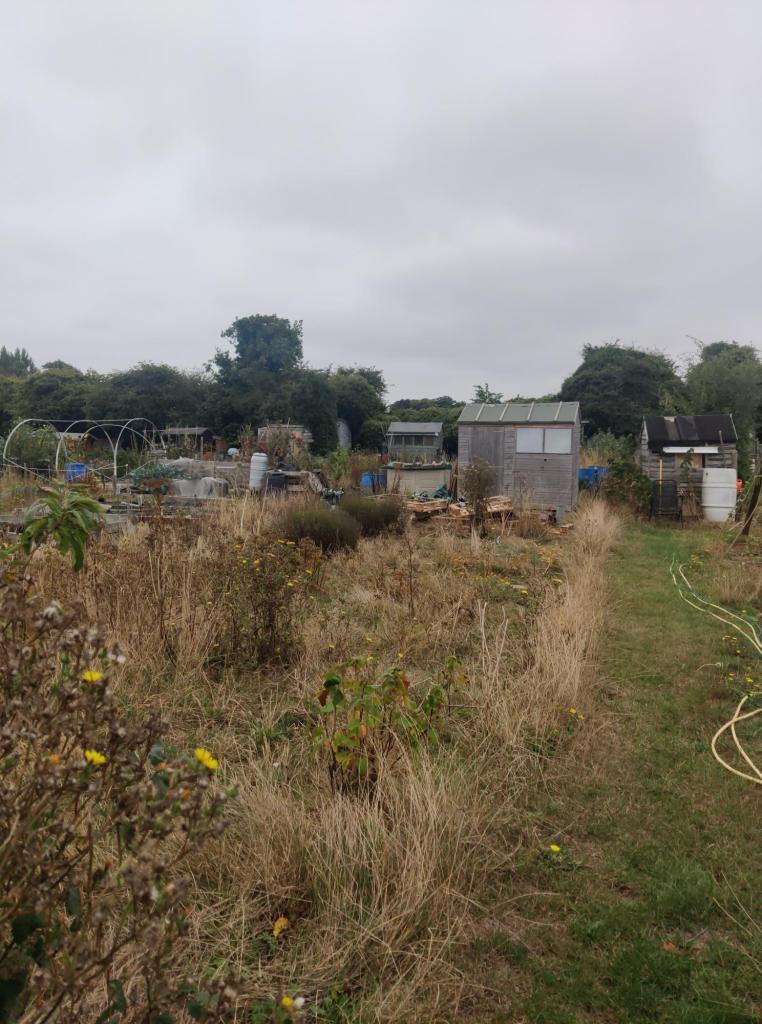
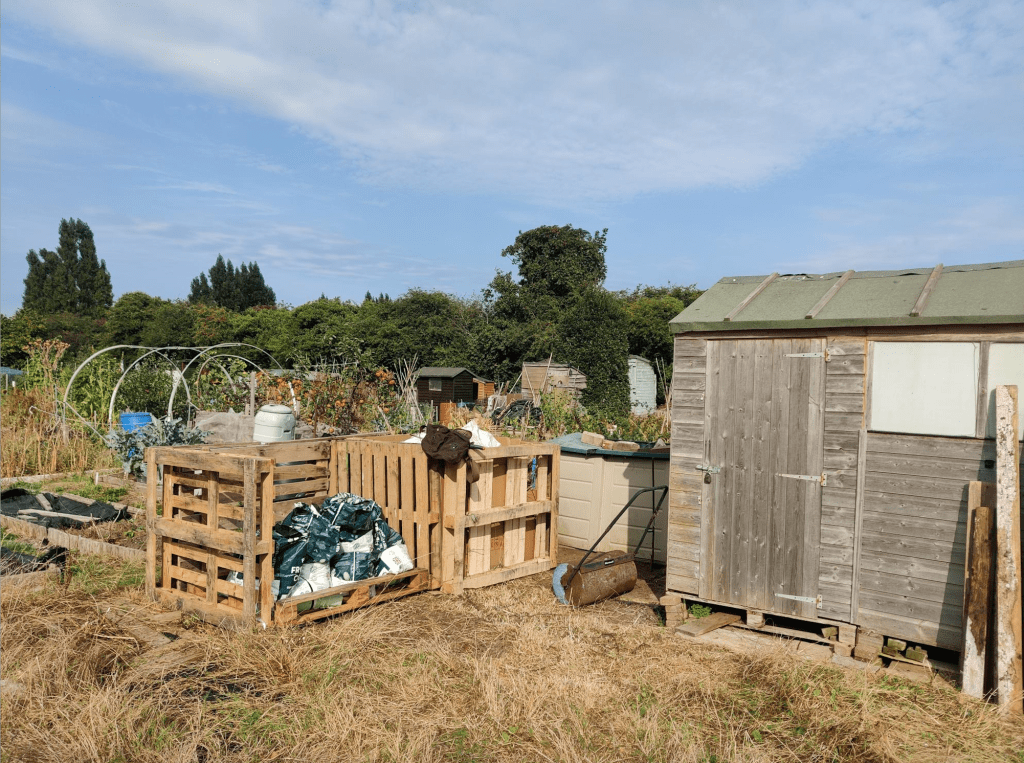
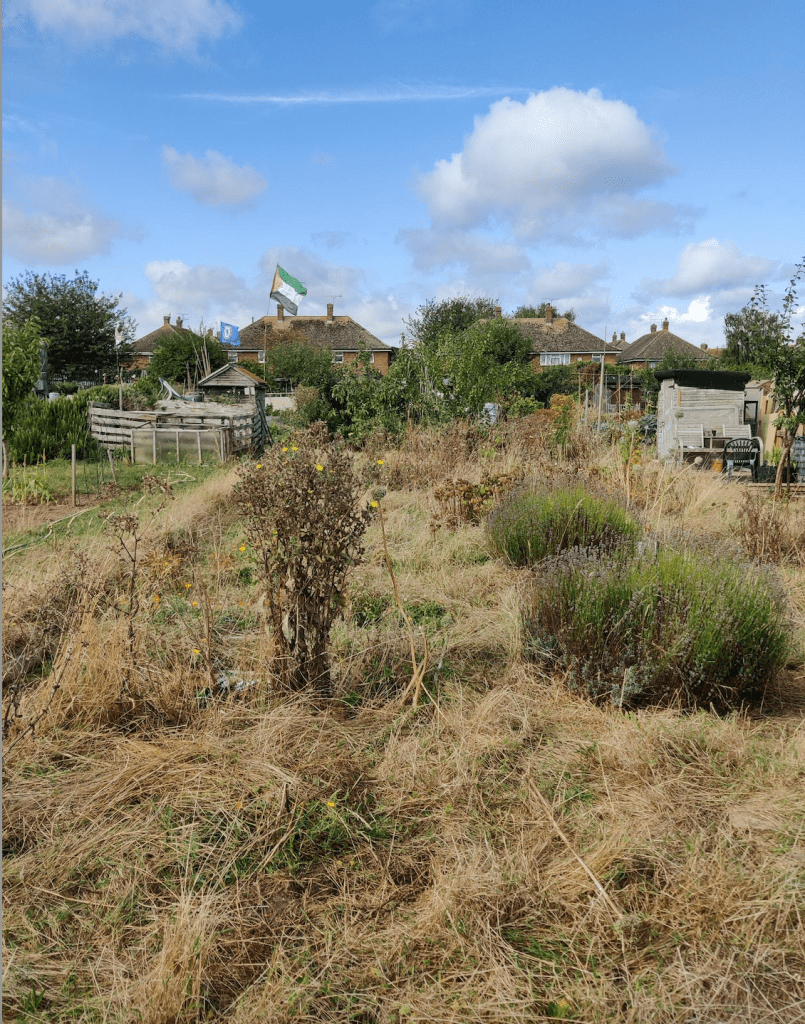
I was lucky enough to get offered an allotment last week – see above. When we moved to Westgate I put my name down on the waiting list, thinking it would be at least 10 years, me being over 60 by the time I got one. I had an email last year telling me I was 25th on the list, so it was very pleasantly surprising to discover that I was offered one last week, which I snapped up and happily collected the keys for.
The whole process is not unlike running a marathon – I’ve been mulling over the similarities between the two and their are some wonderful parallels that help me learn from both.
- You need to give this time. Just looking at the plot above I knew that this would need time. One to get the plot into a working state I would be pleased with and secondly to prepare the site for the long term. Soil health is critical for my allotment. If I spend the time now preparing the soil properly, it will reap huge benefits in the long term. What I lay down, the foundations, will all then be reflected in what I get out. If I rush, then problems I have temporarily resolved will just come back (think grass). As with a marathon, that base, those foundations built over time make all the difference in the how able you are to withstand the training and distance. Short term solutions will be uncovered and come unstuck
- You need to plan. The more time spent on drawing up a map / direction of travel the easier it is to understand where I am going. It gives a sense of scale & time. Equally it helps me know what I need and when I will need it. What needs doing first? How are the beds going to be laid out? When to start planting? Where to get materials from? A good plan won’t run the allotment on it’s own, but it will make it a lot easier to move forward with. Exactly the same with a marathon. A plan helps that sense of direction, that sense of building, what to start with, when to shift, what to do.
- Research and decide what is right for me. I am a big fan of both Charles Dowding and his no dig philosophy and Huw Richards use of permaculture. These guys are not for everybody, but they speak to me and I really like the way that they approach gardening. I like how their ethics, beliefs and results. They aren’t for everyone, which is fine. Believing in what they do – the principles in what they do – helps plan and gives me a sense of using knowledge & wisdom of successful people who have gone before me. Their plots are different, so trying to copy them precisely will fail, but using their principles will serve me well. Running – I am a fan of Canova, his principles in marathon training, but have no intention of running as his athletes do (it would break me) nor prescribe training to my athletes as he does, but his principles do inspire me. Same with Mike Smith at NAU.
- What I feed the soil is key. I’m not a fan of anything non natural. No pesticides, weed or slug killers. If I can’t get rid of a pest naturally, then I need to grow something else or find a new solution. The better the biodiversity the better the quality of soil & outcome for my plants. Similarly how you fuel – how you care for yourself reflects in what you are able to do. I’m not a fan of using pain killers – I see pain as a message or signal that is giving me helpful advice. How can I follow this.
- Expect the unexpected. Nature, the environment is constantly changing. It absolutely poured with rain on Sunday, thankfully just as I had finished. There are going to be things that happen I just haven’t foreseen, events that I wasn’t expecting. That constant evolution is part of the challenge that makes allotment growing so fulfilling. In the same way a marathon block / race is never going to be plain sailing. Something is always likely to come up. Embracing these moments is all part of the process
- You need to rest & cannot work endlessly. This something I learnt a while ago, I need to set an alarm to go off every 30 mins to remind me to have a break. Otherwise I end up getting into a flow state, losing track of time, hurting my lower back and unable to do anything useful for a few days. Resting regularly allows me to get more done. Equally I limit myself to around 2 hours, more than this leads to problems. Same with running. Endlessly battering my body = injury. Knowing when to rest & when to call it a day makes for a far healthier runner.
- Use the people around you. Allotments have a wide variety of characters, I’ve met 6 or so to date, and got on with most of them – well all just not seen eye to eye with one. I really value the sense of community that can be built. Working with these people will make everything so much easier. The more I give, the they will help me. Running – work with those around you. In a marathon this can make a huge difference in getting through those hard challenging patches.
I’m sure that there are many more parallels, if I put my mind to it. I’ll be overjoyed if both my allotment & my running are in peak shape in 6 months time.
 BreatheToMove
Enjoy!
Linda 🙂
LikeLike